01 What the city runs on
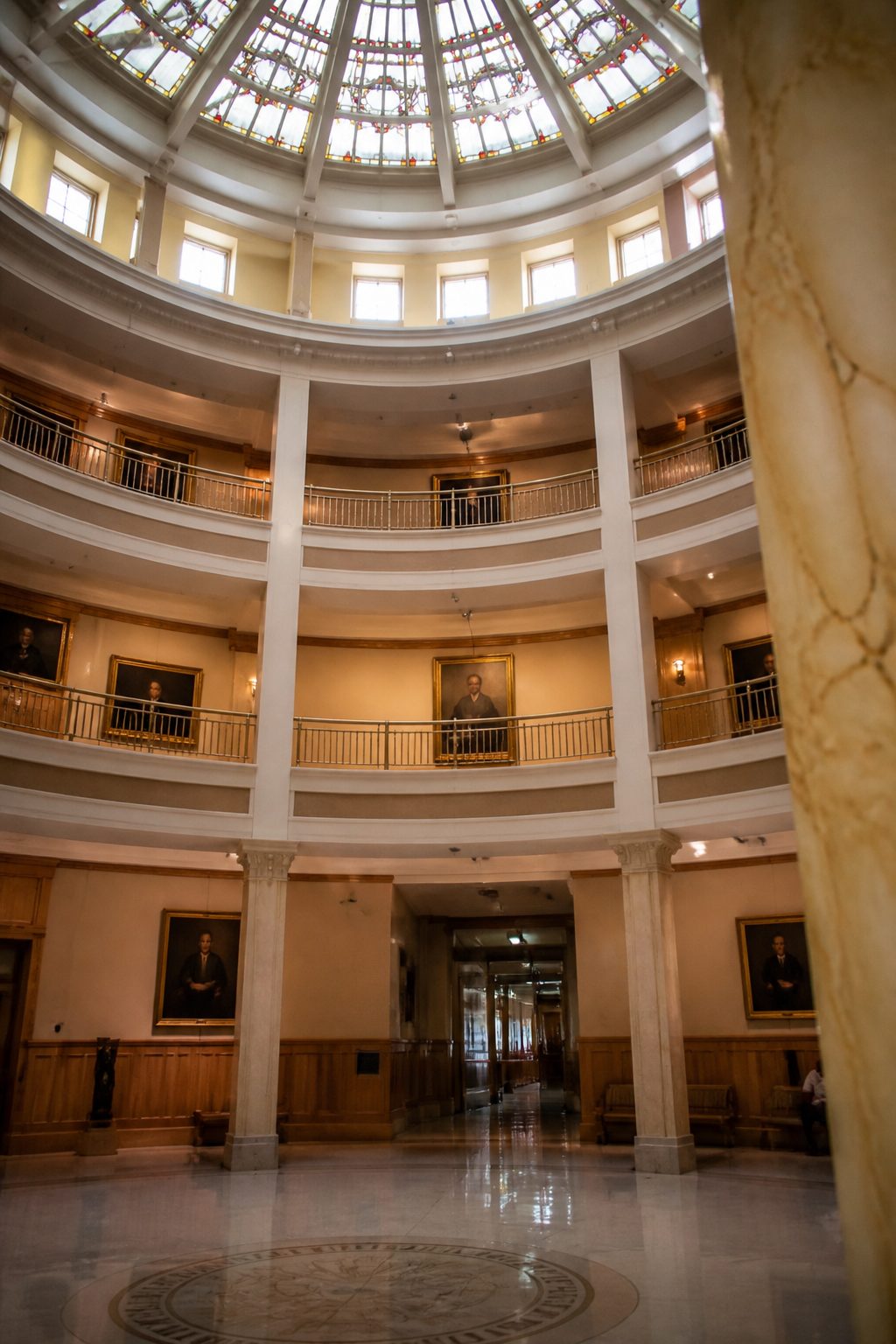
State government is the anchor. Santa Fe is the capital of New Mexico, and the Roundhouse, the only round state capitol in the country, completed in 1966, sits ten minutes' walk south of the Plaza. It is open to the public and holds a substantial collection of New Mexican art in its corridors, which makes it one of the better free hours in the city even if you have no business there.
Beyond government: the research corridor towards Los Alamos, a health system serving a large rural catchment, an art market that is nationally significant and locally enormous, film and television production drawn by long-running state incentives, and tourism layered over all of it. What Santa Fe does not have is a large corporate sector, which shapes everything from the availability of meeting rooms to how quickly people answer email in August.
02 The legislative session
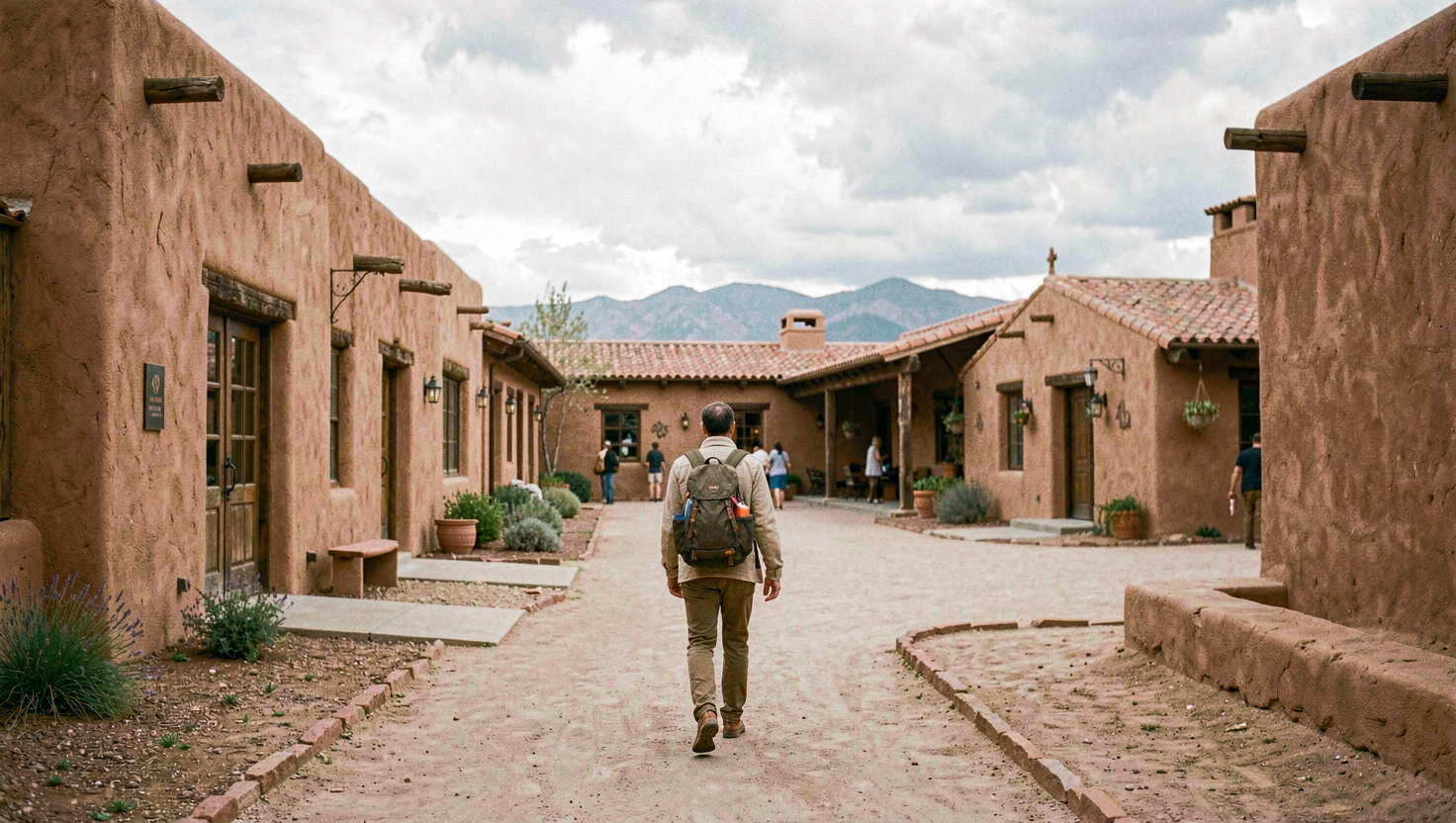
The New Mexico Legislature convenes in Santa Fe on the third Tuesday of January. Sessions run sixty days in odd-numbered years and thirty days in even-numbered years, with the shorter sessions limited largely to budget matters and whatever the governor puts on the call. Special sessions happen outside that pattern.
For anybody planning to be in Santa Fe in January or February, this is the single most useful fact in the chapter. During a session the downtown weekday population swells with legislators, staff, lobbyists and press. Weekday lodging near the capitol tightens, downtown restaurants fill at lunch, and parking around the Roundhouse becomes competitive. Weekends revert to normal.
| Year | Session length | Scope |
|---|---|---|
| Odd-numbered | 60 days from the third Tuesday of January | General legislation and budget |
| Even-numbered | 30 days from the third Tuesday of January | Budget, and subjects placed on the governor's call |
| Any year | Special sessions, variable | Called for a specific purpose |
If your work is unrelated to the legislature, the session is a reason to book weekday accommodation earlier or to stay away from the capitol district. If your work is related to it, nothing in this guide will be news to you.
03 Connectivity and where to work
Fixed internet in the city is generally adequate and occasionally excellent, but it varies a great deal by address, and rural properties around the county vary far more. If a reliable connection is essential, ask a prospective host for specifics rather than for reassurance: provider, technology and an actual speed test.
Mobile coverage is good in town and disappears in the canyons, on parts of the High Road and in much of the national forest. That matters less for work than for safety, but it does mean that tethering as a fallback is not a plan you can rely on outside the city.
For places to work: the public library branches are the most reliable free option, with quiet desks and no obligation to buy anything. Coworking exists downtown and along the corridor. Cafes are plentiful but small, and a laptop occupying a two-top through a lunch rush is noticed here in a way it might not be in a larger city.
04 Meetings and rooms
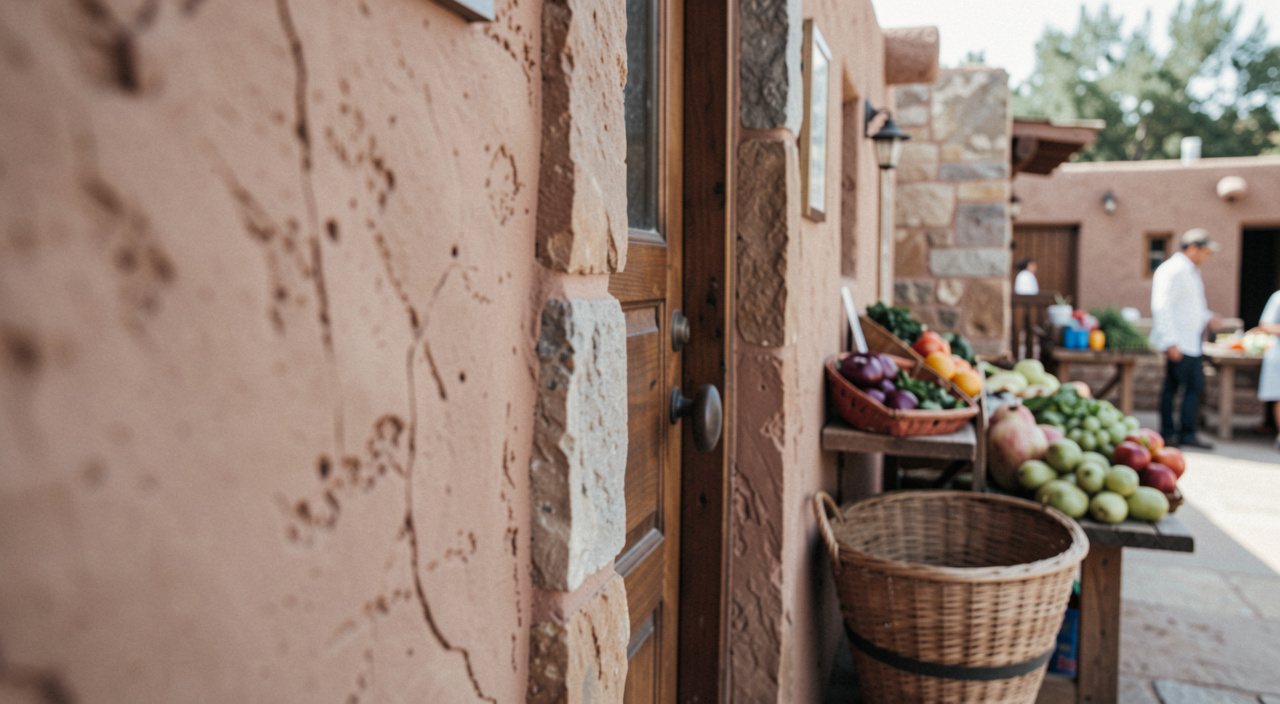
The city has a downtown convention centre, a number of lodging properties with meeting space, and a set of cultural institutions that hire out rooms and grounds, some of them exceptional. Capacity is finite and the good rooms book far ahead, particularly for anything in September or October.
The scheduling advice is simple and worth following. Avoid the market weekends, avoid Fiesta and the Balloon Fiesta corridor squeeze in early October, and avoid the first weeks of a legislative session if you need downtown rooms midweek. The month-by-month calendar identifies the collisions, and the permits section covers what happens when your event moves outdoors.
05 The Los Alamos corridor
Los Alamos sits about thirty-five miles northwest, up on the Pajarito Plateau, and the national laboratory there is among the largest employers in northern New Mexico. The commute runs north on US 84/285 through Pojoaque, then west and up on NM 502, and it carries real weekday traffic in both directions at the obvious hours.
Two consequences for a visitor. Northbound traffic out of Santa Fe in the morning and southbound in the late afternoon is heavier than a small city suggests, so add time if you are driving to Bandelier, the Valles Caldera or Abiquiú on a weekday. And Española, at the junction of several of these routes, is a genuine crossroads worth knowing rather than driving through.
06 Time zone and working rhythms
Santa Fe is on Mountain Time and observes daylight saving. Arizona, immediately west, does not, which means the effective time difference to Phoenix changes twice a year and catches people out on calls every March and November.
Local working rhythms are earlier than on either coast. Meetings at eight in the morning are normal, lunch is early, and offices thin out on Friday afternoons, especially in summer. In August and around the market weekends, expect slower responses across the board: a great many people in this city are involved in those weekends one way or another.
07 The weeks to schedule into
If you can choose when to be here for work, choose the second half of January outside the session rush, February, the first three weeks of March, the first half of June, or November before Thanksgiving. Rooms are cheaper, restaurants take walk-ins, meeting space is available, and the weather in June and November is genuinely good.