01 The shape of the year
Four facts govern the whole climate here. The city sits at 7,199 feet, which takes roughly twenty degrees Fahrenheit off what the latitude would otherwise deliver. The air is very dry, which is why the sun feels hot and the shade feels cold, and why the temperature falls so fast after sunset. Annual precipitation is around fourteen inches, most of it concentrated in a summer monsoon. And the city is famously sunny: it is usually credited with something in the region of three hundred sunny days a year, which is a soft figure but not a misleading one.
The single most useful consequence: the diurnal swing is enormous, commonly twenty-five to thirty degrees Fahrenheit between the afternoon high and the dawn low, in every season. Dress for two climates a day, all year. That is the entire packing advice.
02 Month by month
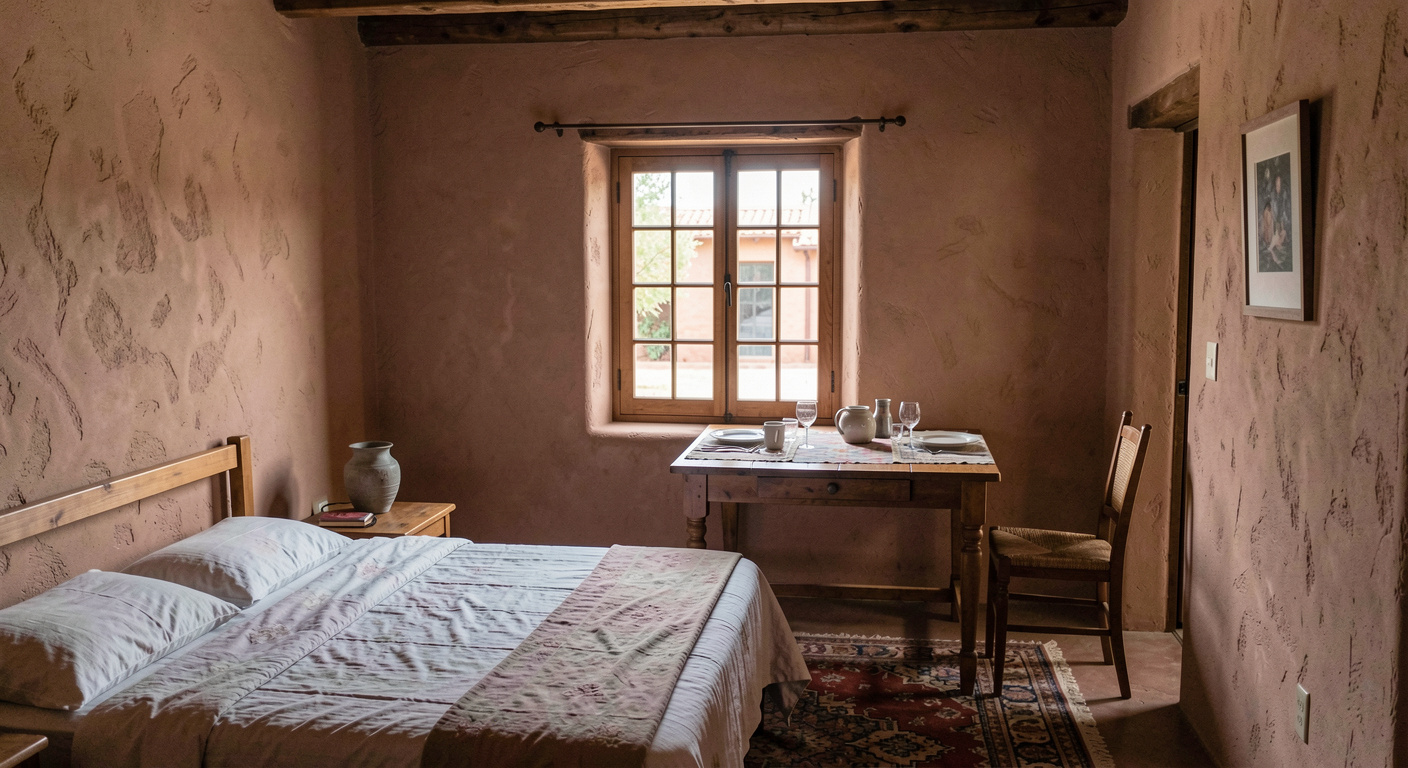
Typical highs and lows, rounded, with the character of each month in a phrase. Treat them as the shape of the year, not as a forecast.
| Month | Typical high | Typical low | Character |
|---|---|---|---|
| January | 44°F / 7°C | 18°F / -8°C | Cold, bright, dry; snow on the ground in patches |
| February | 48°F / 9°C | 22°F / -6°C | The most reliable ski month; quiet in town |
| March | 56°F / 13°C | 28°F / -2°C | Wind begins; snow still possible |
| April | 64°F / 18°C | 34°F / 1°C | Windiest weeks of the year; wide swings |
| May | 73°F / 23°C | 43°F / 6°C | Warm, very dry, highest fire risk |
| June | 84°F / 29°C | 52°F / 11°C | Hot and dry until the monsoon breaks |
| July | 86°F / 30°C | 57°F / 14°C | Warmest month; afternoon storms most days |
| August | 83°F / 28°C | 56°F / 13°C | Wettest month; mornings clear, afternoons not |
| September | 77°F / 25°C | 48°F / 9°C | The best month: warm, clear, settled |
| October | 66°F / 19°C | 37°F / 3°C | Golden aspens, cold mornings, first frost |
| November | 53°F / 12°C | 26°F / -3°C | Cold and clear; first snow on the peaks |
| December | 44°F / 7°C | 19°F / -7°C | Cold and busy at month end |
The growing season runs roughly from a last spring frost in mid-May to a first autumn frost in early or mid-October. If you are gardening, that window is short and everybody here knows it.
03 Winter
December to February. Cold, sunny and dry: highs in the mid-forties, nights in the teens and low twenties. Snow falls in town, typically totalling somewhere in the range of twenty to thirty inches across a season, and it behaves oddly because of the sun. A south-facing street clears in a day; a north-facing lane stays icy for a week.
The winter sun is the thing people misjudge. At this elevation, with snow reflecting, a bright January afternoon burns skin in a way the temperature completely disguises. Sunscreen in winter is not fussiness. The mountains behind town collect far more snow than the city does, which is the subject of the ski chapter.
04 Spring
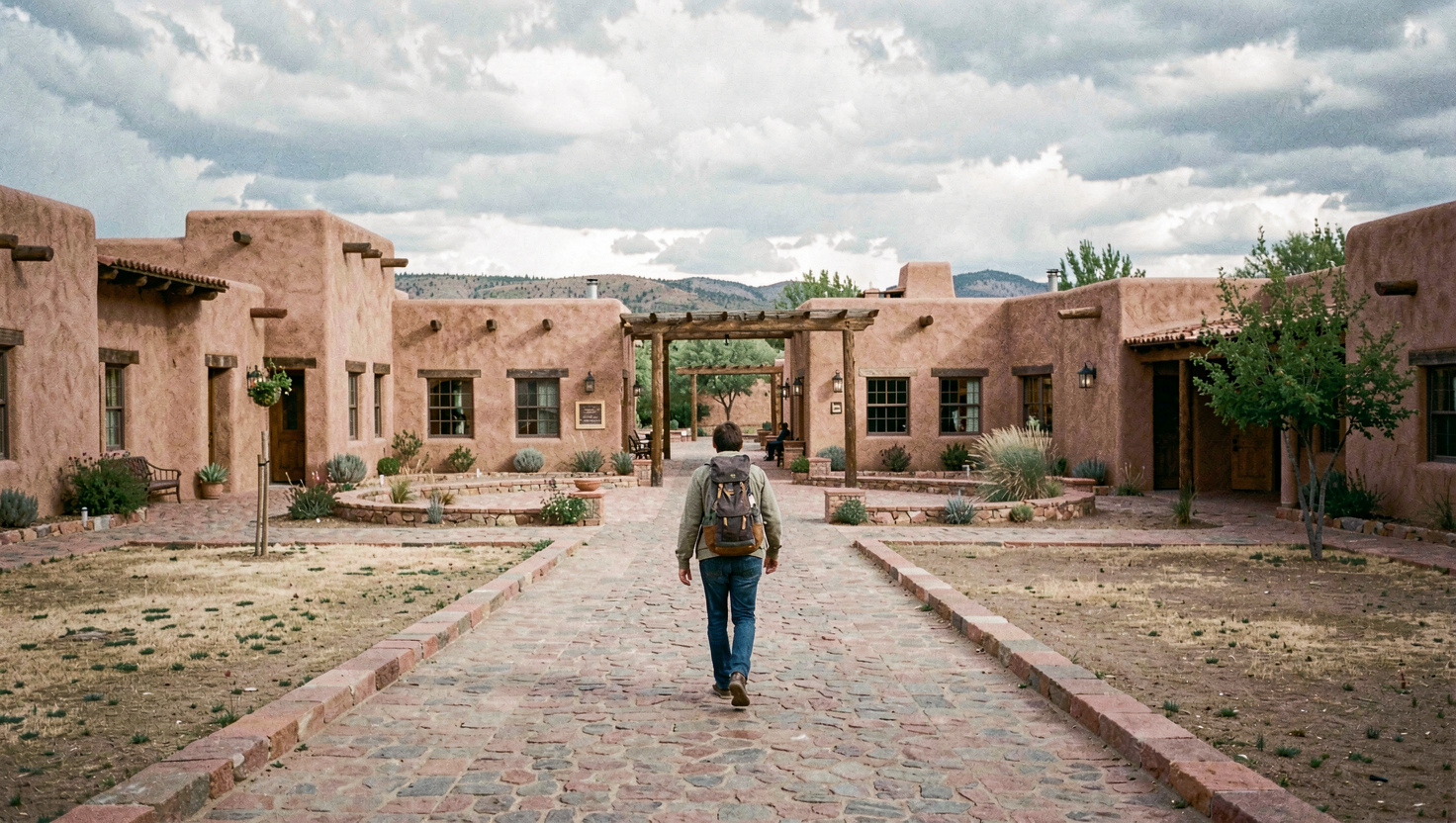
March to May, and the season this guide would steer you away from if you have a free choice. Not because it is cold, but because it is windy. Sustained afternoon winds through March and April lift dust off the basins, close the enjoyment out of any outdoor plan, and make tents and umbrellas an active problem. Mornings are frequently calm and lovely; afternoons frequently are not.
It is also the most variable season. A single week in April can deliver eighty degrees, a hard freeze and snow. The compensation is that the city is inexpensive and empty, the museums are calm, and the lower trails are dry and open long before the mountains are.
05 Summer and the monsoon
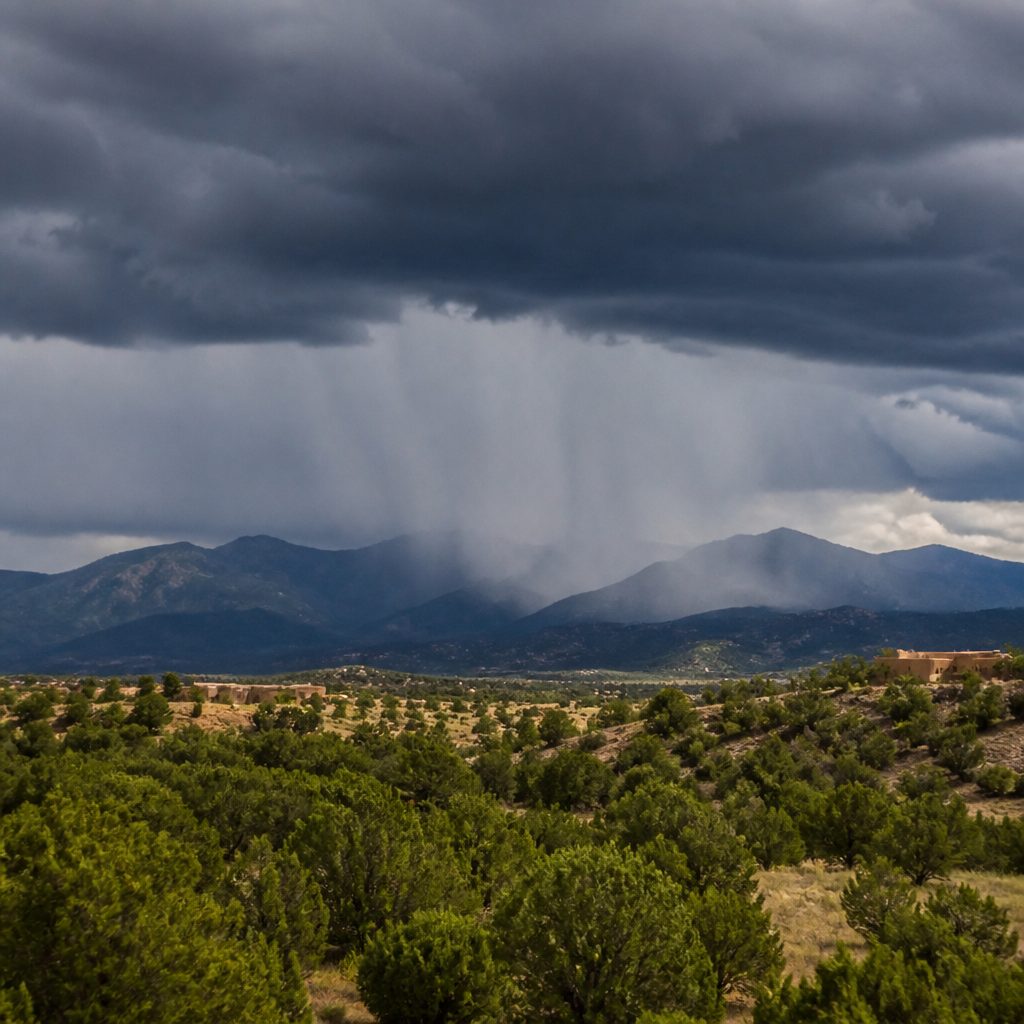
June is hot and bone dry. Then, usually in the first half of July, the wind shifts and moisture arrives from the south: the North American Monsoon, which delivers a large share of the annual precipitation between early July and mid-September. It is not a season of rain. It is a season of afternoons.
The daily rhythm is remarkably consistent. Clear mornings. Cumulus building over the mountains by late morning. Towers by early afternoon. A storm cell somewhere between two and six, with heavy rain, occasional hail and frequent lightning, lasting perhaps an hour. Then clearing, a spectacular evening, and a cool night.
- Do the outdoor part of the day in the morning. All of it.
- Be off exposed ridges and summits by noon. Lightning above tree line is the serious hazard in this season, not the rain.
- Carry a shell, not an umbrella. Wind accompanies the cells.
- Watch the arroyos. Dry channels carry flash floods from rain that fell miles away and that you never saw.
- Plan the afternoon indoors and you will barely notice the monsoon exists.
People cancel trips over the monsoon and should not. Structured around it, a July or August day in Santa Fe is a fine day with an hour of drama in the middle. The hiking chapter covers the lightning question in more detail.
06 Autumn
The best season, and it is not close. From about the second week of September the monsoon shuts down and the air turns exceptionally clear. Days are warm, nights are cold, the light is long and low, and the aspens on the mountains turn gold, usually peaking in the first half of October.
Late October and November bring the first snows to the peaks while the city stays dry and bright. November before Thanksgiving is the quietest good weather of the year: cold mornings, sixty-degree afternoons, no queues anywhere. If you can travel in the shoulder, travel then.
07 Fire season and smoke
Northern New Mexico's fire season runs from roughly April through June: dry fuels, wind, and no rain until the monsoon breaks. Forest closures and fire restrictions are routine in that window, and smoke from fires elsewhere in the region can degrade air quality for days at a time.
In 2022 the Hermits Peak and Calf Canyon fire, which began as prescribed burns that escaped, became the largest wildfire in New Mexico's recorded history, burning roughly 340,000 acres in the mountains east of Santa Fe and closing large areas of the Pecos country. That is an outlier rather than a normal year, but it is a useful reminder of the scale involved.
The practical advice is narrow: before planning anything in the national forest in May or June, check current fire restrictions and closures; and if you are sensitive to smoke, keep a fallback for a bad air week. The extended stay chapter covers living with it over a longer visit.
08 The best time to visit
Ranked honestly, on weather alone and ignoring what happens to be on that weekend.
| Rank | Window | Why | Caveat |
|---|---|---|---|
| 1 | Mid-September to late October | Clear, warm, settled, aspen colour | Competes with Fiesta and the Balloon Fiesta for rooms |
| 2 | Mid-May to late June | Warm, dry, long days, before the storms | Highest fire risk of the year; forest may be closed |
| 3 | November to early December | Cold and brilliantly clear, empty, cheap | Short days, cold mornings, mountains closed until the snow comes |
| 4 | July and August | Green, alive, all the big events | Afternoon storms and the highest prices of the year |
| 5 | January and February | Reliable sun, good snow, very quiet | Genuinely cold; some things run reduced hours |
| 6 | March and April | Cheap and empty | Wind. Every afternoon. |
If you want the short version: late September is the best week of the Santa Fe year, and if that is not available, the first half of June. If you want the city quiet and the price low and you can dress for it, November.
09 Weather words used here
- Monsoon
- A seasonal reversal of prevailing wind that brings moisture north from the Gulf of California and the Gulf of Mexico, producing afternoon convection from roughly early July to mid-September.
- Diurnal range
- The difference between the day's high and its low. In Santa Fe it commonly runs twenty-five to thirty degrees Fahrenheit, which is why layers matter more than any single garment.
- Arroyo
- A dry watercourse that carries water only after rain. It can flood violently from a storm that fell miles upstream and out of sight. Do not camp in one and do not drive through one that is running.
- Virga
- Rain that evaporates before reaching the ground, visible as grey streaks trailing beneath a cloud. Extremely common here and a good sign of how dry the lower air is.
- Red flag warning
- A National Weather Service alert for conditions of low humidity, high wind and dry fuels: the combination in which fires start easily and spread fast.