01 Nineteen pueblos, nineteen governments
There are nineteen pueblos in New Mexico. Each is a sovereign nation with its own government, its own laws and its own police force, and driving onto one means entering a separate jurisdiction, not a village with a scenic main street. Almost everything that confuses visitors follows from that single fact.
They are also not one culture with nineteen addresses. Four unrelated language families are spoken across them, which is a better guide to the differences than geography is.
- Tewa: Nambé, Pojoaque, San Ildefonso, Ohkay Owingeh, Santa Clara and Tesuque, the six closest to Santa Fe.
- Tiwa: Taos and Picuris in the north, Sandia and Isleta far to the south.
- Towa: Jemez, the only pueblo where it is spoken.
- Keres: Cochiti, Kewa, San Felipe, Santa Ana, Zia, Acoma and Laguna.
- Zuni: a language isolate, related to nothing else known.
Two names in current use are recent restorations rather than new inventions. Ohkay Owingeh readopted its Tewa name in 2005, having been called San Juan Pueblo since the Spanish period, and Kewa Pueblo did the same in 2009, having been called Santo Domingo. Older guidebooks and most road signs still use the Spanish names. Use the current ones.
02 Why the dates are saints' days
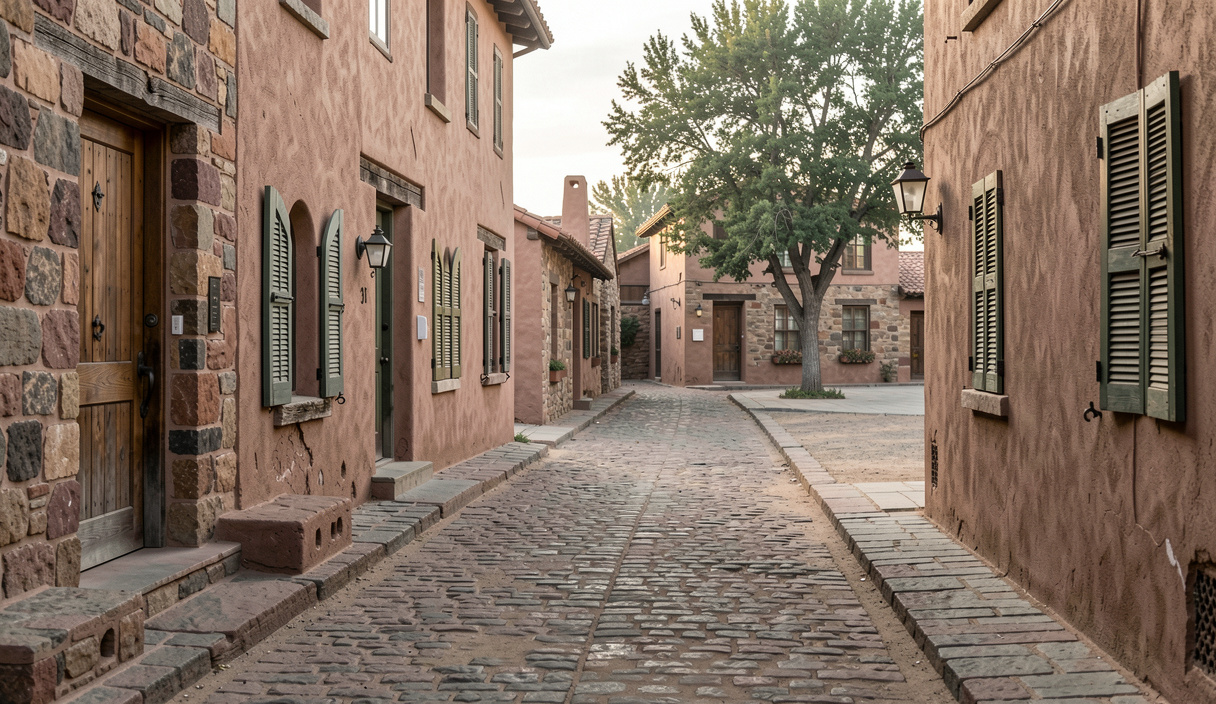
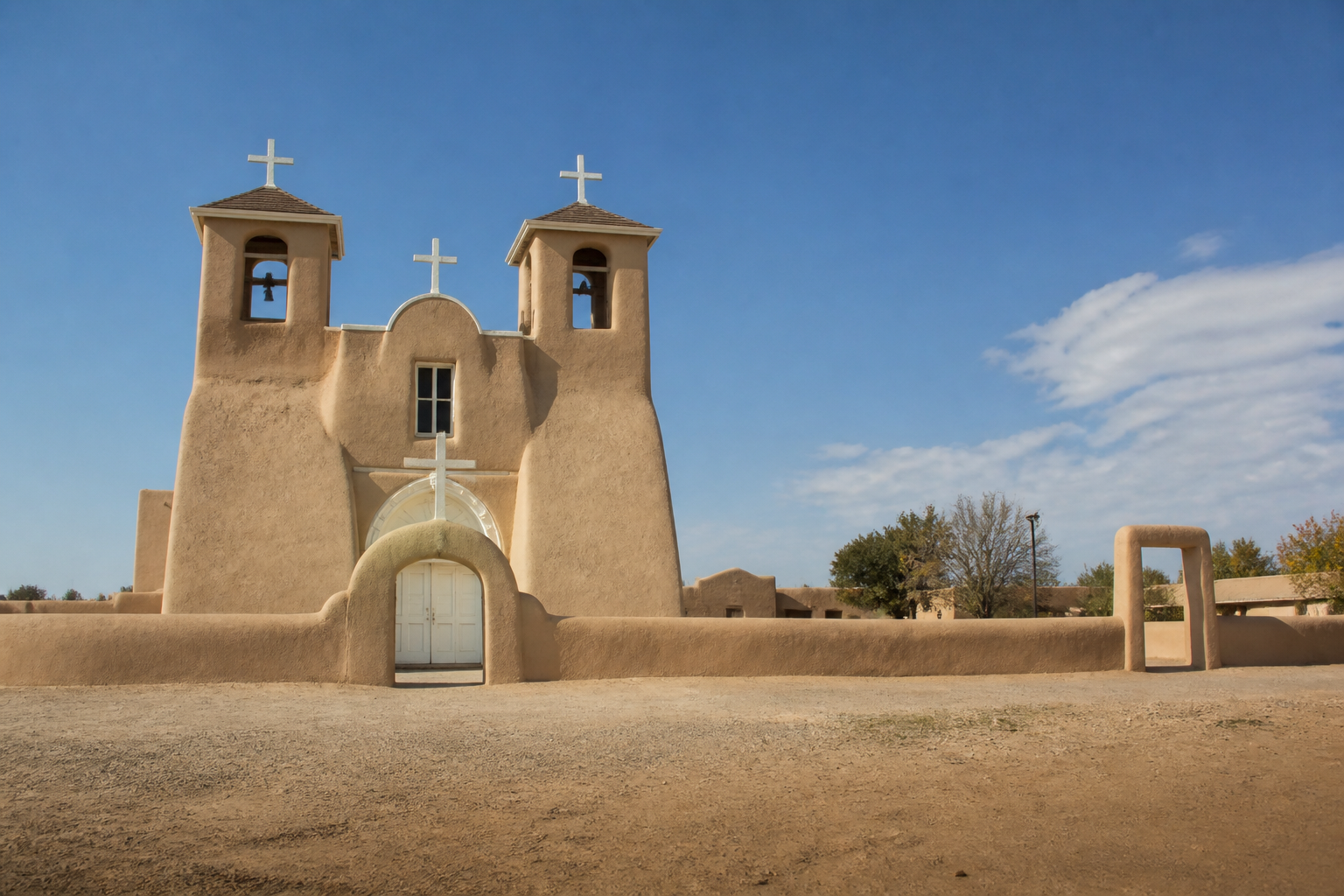
Franciscan missionaries arrived with the Spanish colony from 1598 and assigned each pueblo a patron saint. The feast day is that saint's day in the Catholic calendar, which is why the dates are fixed to the day rather than floating to a weekend: 4 August is 4 August, whatever day of the week it falls on. Plan around that, because it means most feast days are working weekdays.
What sits underneath is older and is not derived from the calendar at all. The Pueblo Revolt of 1680 drove the Spanish out of New Mexico for twelve years, and the reconquest of 1692 returned them to a country that had learned exactly what it was willing to concede. That history is set out in the chapter on the city's four centuries. What emerged from it, and what you see on a feast day, is a double calendar held without contradiction: a mass and a procession in the morning, then dances that belong to the pueblo's own ceremonial year and are none of the church's business.
This is also why the day has a saint's name and the dances do not have a published programme. The first half is announced. The second half is decided by the pueblo, in its own time.
03 The feast-day calendar
The table runs through the year. Dates are the saint's days and do not move; what happens on them, and whether visitors are welcome in a given year, is decided by each pueblo.
| Pueblo | Patron saint | Feast day | Language |
|---|---|---|---|
| San Ildefonso | San Ildefonso | 23 January | Tewa |
| San Felipe | San Felipe | 1 May | Keres |
| Sandia | San Antonio | 13 June | Tiwa |
| Ohkay Owingeh | San Juan Bautista | 24 June | Tewa |
| Cochiti | San Buenaventura | 14 July | Keres |
| Santa Ana | Santa Ana | 26 July | Keres |
| Kewa (Santo Domingo) | Santo Domingo | 4 August | Keres |
| Picuris | San Lorenzo | 10 August | Tiwa |
| Santa Clara | Santa Clara de Asís | 12 August | Tewa |
| Zia | Nuestra Señora de la Asunción | 15 August | Keres |
| Acoma | San Esteban del Rey | 2 September | Keres |
| Isleta | San Agustín | 4 September | Tiwa |
| Laguna | San José | 19 September | Keres |
| Taos | San Gerónimo | 30 September | Tiwa |
| Nambé | San Francisco de Asís | 4 October | Tewa |
| Jemez | San Diego | 12 November | Towa |
| Tesuque | San Diego | 12 November | Tewa |
| Pojoaque | Nuestra Señora de Guadalupe | 12 December | Tewa |
| Zuni | Shalako | late autumn or early winter, announced each year | Zuni |
Three additions to the table. Taos holds vespers and the traditional races on the evening before and the morning of San Gerónimo, so the thirtieth of September is the second half of a two-day observance. Jemez keeps a second feast on 2 August, the Old Pecos Bull, for the people of Pecos Pueblo who abandoned their village in 1838 and were taken in at Jemez: it is a feast day kept alive for a community that no longer lives where it began. And the days between Christmas Eve and the end of December bring dances at many pueblos, with 6 January, Three Kings Day, marking the installation of new officers.
Kewa's corn dance on 4 August is the largest of them all, with several hundred dancers of every age in the plaza at once, and it is the one most often recommended to first-time visitors. It is also, for that reason, the busiest. The summer entry of the calendar puts it in the context of everything else happening that month.
04 What actually happens
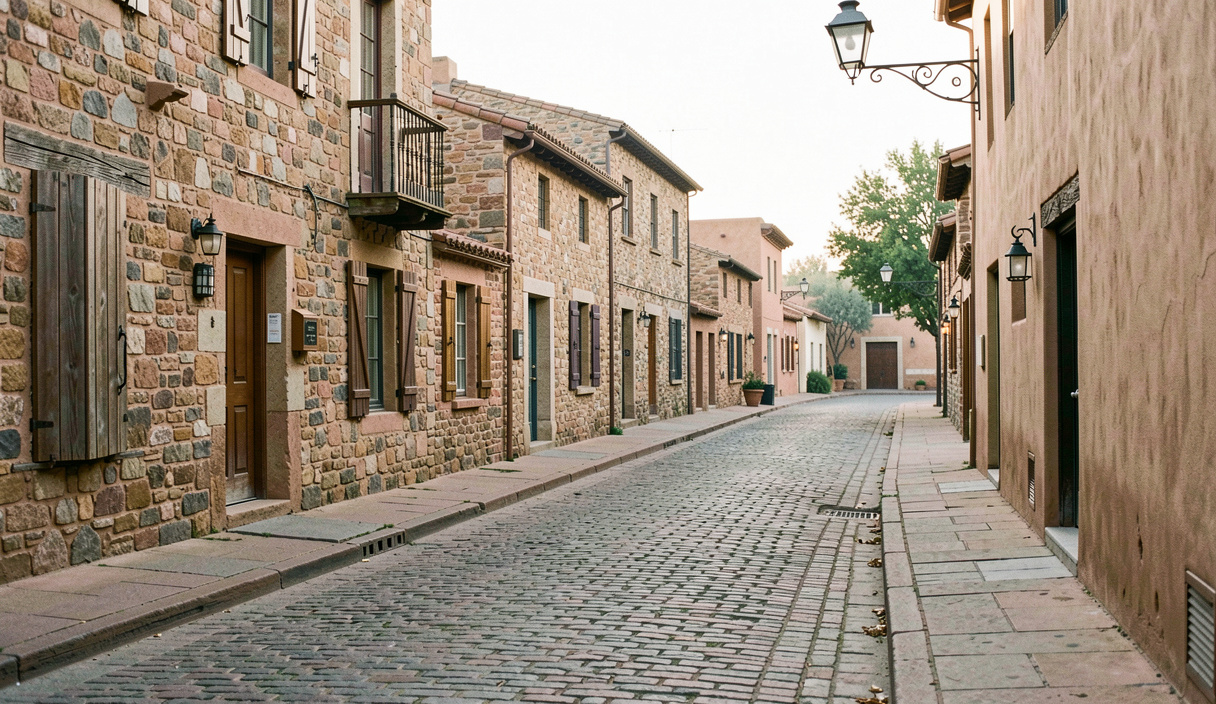
There is no schedule, no announcer, no ticket and no stage. If you arrive expecting an event to start, you will spend the morning wondering whether you have the wrong day.
The shape of it is consistent. Mass is said early in the mission church. The saint is then carried in procession from the church to a shelter built in the plaza, where the image stays for the day and the dancing takes place in front of it. The dances come in sets, an hour or so at a time, with long pauses between them while the dancers rest and eat. They may run from mid-morning until late afternoon. Nobody will tell you when the next set begins.
Around the plaza, households have been cooking for days. Some families set tables for anyone who comes to the door, and being invited to eat is a genuine invitation rather than a formality. If it happens: go in, eat what is put in front of you, thank the cook, and leave promptly so the next guests can sit down. Do not ask what things cost, and do not leave money on the table unless you are told it is a donation for the church.
Vendors set up on the edges on the bigger days. Buying from them is ordinary commerce and welcome. Nothing you can buy at the edge of a plaza has any connection to what is happening in the middle of it, and treating the two as one experience is the mistake to avoid.
05 The rules, and why they are rules
Most feast days are open to visitors. That openness is a courtesy extended by a sovereign government, and it has been withdrawn from individual pueblos, and occasionally from everyone, when guests behaved badly. The list below is consistent across pueblos and is enforced by tribal police, not by disapproval.
- No photography, video, audio recording or sketching. Not discreetly, not from the car, not on a phone. Some pueblos sell photography permits for ordinary days; a feast day is not an ordinary day. Cameras have been confiscated. Leave it in the vehicle and the question does not arise.
- Do not applaud. What you are watching is a prayer, not a performance, and clapping at the end of a set is the single most common visitor error.
- Stay out of the plaza. Watch from the edge. Do not walk between the dancers and the drum, do not cross the open ground to reach the other side, and do not sit on the wall of somebody's house without being asked.
- Kivas and their ladders are closed. Absolutely, without exception, and without a photograph.
- Do not enter a home uninvited, and do not wander between buildings looking for a better view. A pueblo is where people live, not a site.
- Do not question dancers, before, during or after, and do not ask what a dance means while it is happening. If you want to understand, ask at a cultural centre on another day.
- No alcohol, no drugs, no firearms, no drones, no pets. Drones in particular are treated with total seriousness, and rightly.
- Obey the posted limits and the tribal police. You are subject to their jurisdiction, not the state's, and traffic enforcement on pueblo roads is real.
- Check before you drive out. A pueblo may close to visitors at any time, for reasons that will not be explained. That is the pueblo's right and the correct response is to turn around without complaint.
None of this is difficult, and none of it requires you to be quiet in a mournful way. Feast days are cheerful, crowded, family occasions with children running everywhere. The rules exist because the middle of the plaza is not the same kind of space as the edge of it.
06 The rest of the year
A feast day is the wrong occasion for questions. There are several places built specifically to answer them, all within reach of Santa Fe.
- Poeh Cultural Center, at Pojoaque on the highway a quarter of an hour north of Santa Fe, is the closest, is run by the pueblo, and holds a permanent exhibition on Tewa history along with working studios.
- Puye Cliff Dwellings, on Santa Clara land west of Española, is the ancestral village of the Santa Clara people and is visited on guided tours led by their descendants. It is the single best answer to what the pueblos were before the missions.
- Indian Pueblo Cultural Center, in Albuquerque, is owned by the nineteen pueblos jointly and is the place to start if you have an hour on the way in from the airport.
- Taos Pueblo is open to visitors for most of the year, with an admission charge and a closure of several weeks each late winter for ceremonial reasons. The multi-storey adobe blocks have been continuously inhabited for around a thousand years.
- The Museum of Indian Arts and Culture on Museum Hill covers the whole Southwest and is described in the Museum Hill section.
One thing that is not a pueblo: Bandelier National Monument, in Frijoles Canyon, is an ancestral Pueblo site administered by the National Park Service. It is well worth the drive and it is a park, with rangers and a shuttle, not a living community. The distinction matters and the day trips section keeps it.
Under the portal of the Palace of the Governors on the Plaza, Native artists sell directly under a long-running programme with its own admission rules, described in the Indian Market chapter. It runs every day the weather allows, which makes it the easiest and most reliable place in the city to buy well.
07 Words you will hear
- Pueblo
- Two things at once. The Spanish word for a town, applied by the colonists to the settlements they found; and, capitalised, the nations themselves and their people.
- Plaza
- The open ground at the centre of a pueblo, where the dances take place. Not a public square, whatever it looks like.
- Kiva
- A ceremonial chamber, often round and partly below ground, entered by a ladder. Closed to visitors everywhere, always.
- Corn dance
- A summer dance for rain and growth, danced in long lines by the whole community. Kewa's on 4 August is the largest in New Mexico.
- Shalako
- The Zuni ceremony held in late autumn or early winter, whose date is set each year by religious leaders rather than by a calendar.
- Cacique
- The senior religious authority of a pueblo, distinct from the elected governor who handles secular affairs.
- Canes of office
- The staffs carried by pueblo governors. Many pueblos hold three: one from the Spanish crown, one from the Mexican republic, and a silver-headed cane sent by Abraham Lincoln in 1863. They are transferred to new officers on 6 January.
- Feast day
- The patron saint's day, kept with a mass, a procession and the pueblo's own dances. Fixed to the date, not to the weekend.